The Natural Ingredients Actually Worth Using for Anti-Aging
Fine lines respond to a shorter list of ingredients than the marketing suggests. Here's what's actually backed by anything, and what to skip.
Anti-aging skincare has a marketing problem: nearly every ingredient on a shelf claims to "fight" or "reverse" aging, and after a while the words stop meaning anything. Strip away the language and the actual list of ingredients worth paying attention to is much shorter than the industry would have you believe.
Vitamin C is one of the few with real research behind it. It supports collagen production and helps fade the look of dark spots, but it's also unstable — exposure to light and air degrades it quickly, which is why cheap, poorly packaged versions often do very little. Look for opaque, airtight bottles, and expect to replace it every few months.
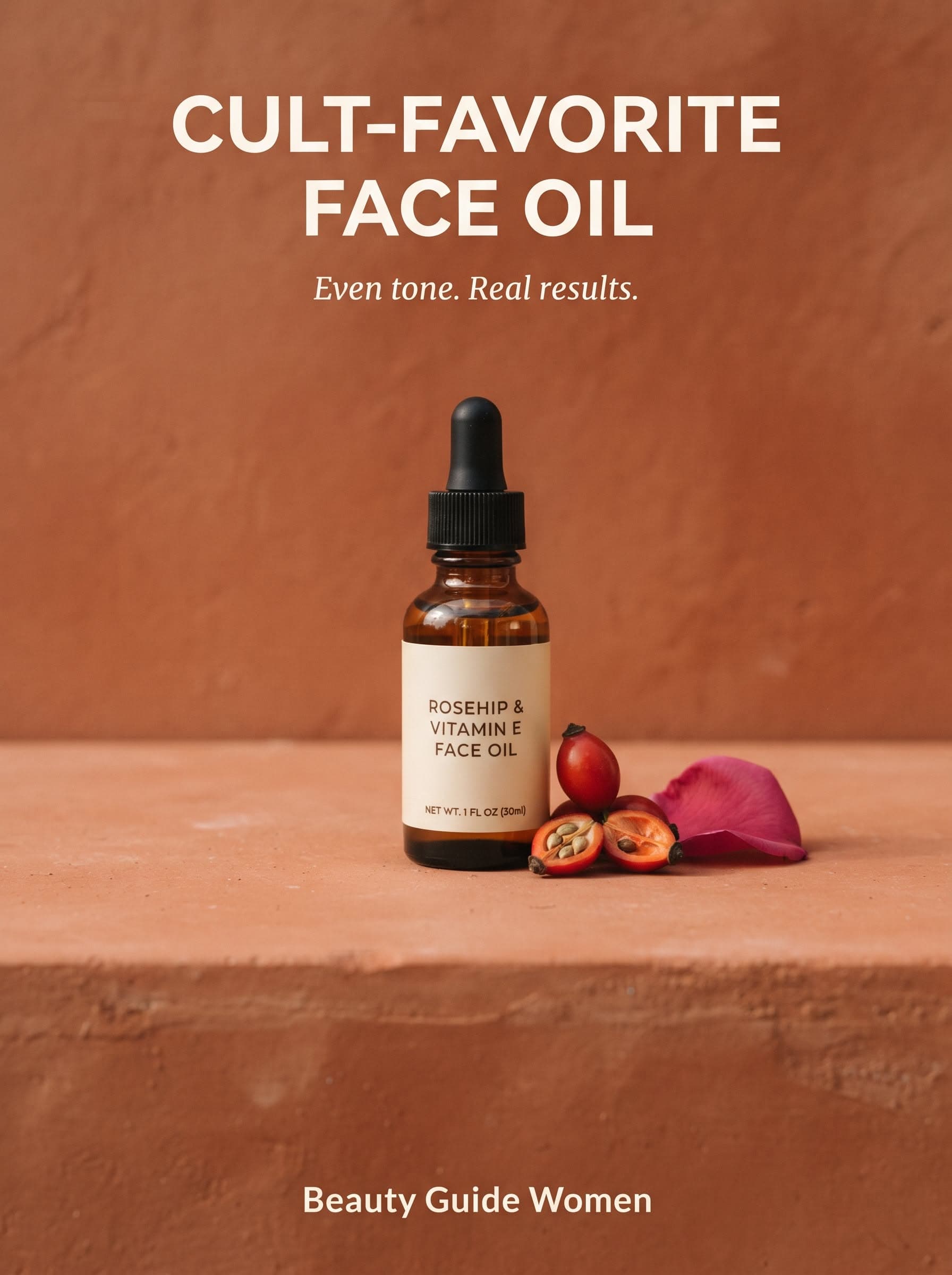
Rosehip oil works differently. Rather than acting as a single active ingredient, it delivers a mix of vitamin A and essential fatty acids that support skin's natural repair process over time. It's slower and gentler than a retinol, which makes it a reasonable starting point for anyone who finds actives too harsh.
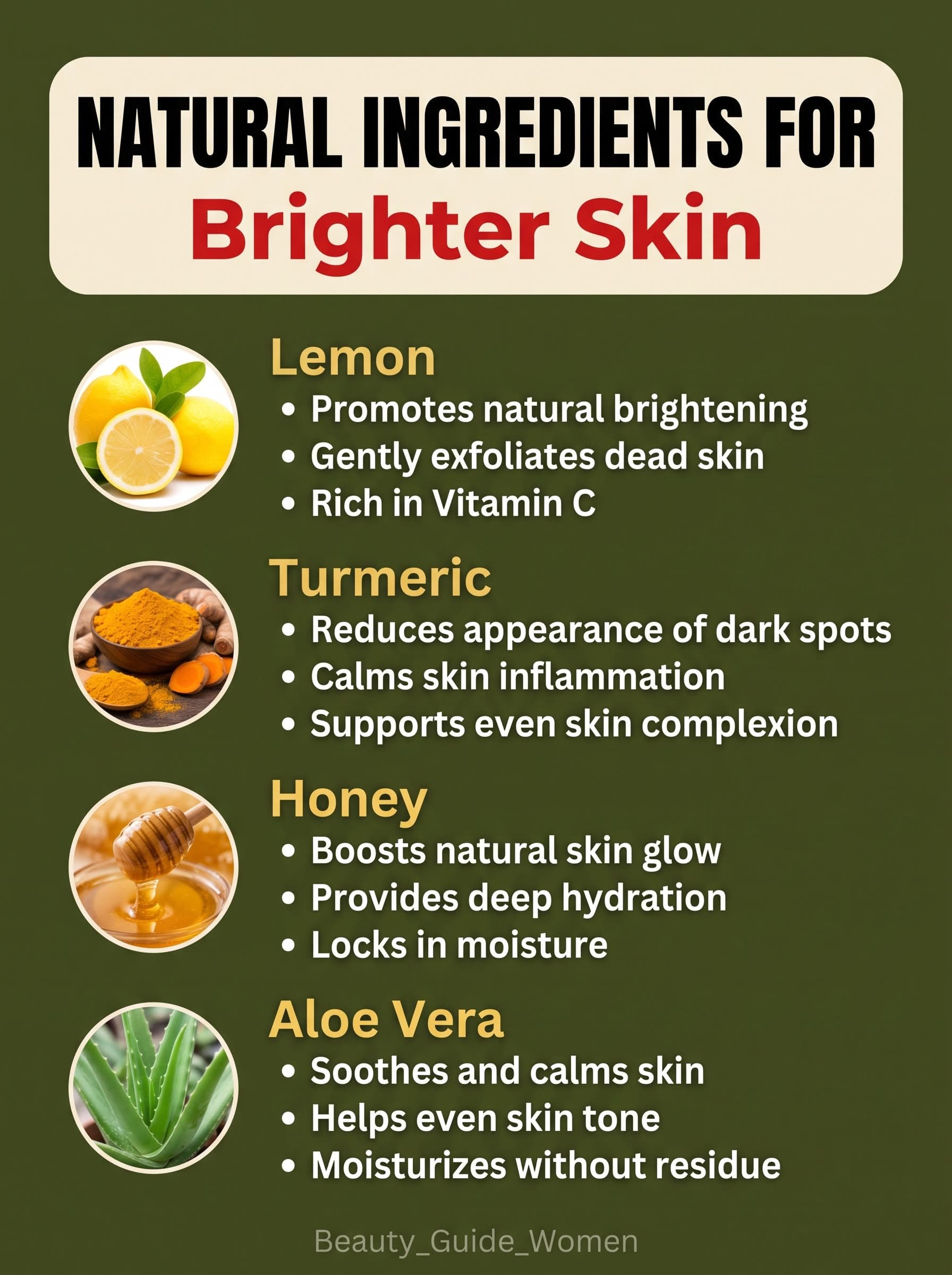
Aloe vera doesn't reverse anything, but it earns its place by calming irritation caused by other actives — which matters more than people expect, since inflamed skin ages faster than calm skin.
Green tea extract brings antioxidants that help offset some of the daily damage from UV and pollution exposure, though it works best as a supporting player rather than a standalone solution.
What tends to actually move the needle, more than any single bottle, is consistency and sun protection — the least exciting advice in skincare, and also the most accurate. Ingredients help at the margins. Sunscreen and repetition do most of the actual work.