Can You Really 'Boost' Your Metabolism? An Honest Guide
Green tea, protein, muscle, sleep — what actually moves your metabolic rate, what's marketing, and why it shows up in your skin and energy before anywhere else.
'Boost your metabolism' might be the most repeated phrase in wellness, and it's worth taking apart, because the real levers are fewer and more boring than the marketing suggests. Your metabolism is the sum of energy your body spends keeping itself running — brain, heart, repair, everything — and it quietly sets the tone for how you feel and how well your skin renews itself. The honest version: a few things move it meaningfully, most things move it barely, and consistency decides which kind you're doing.
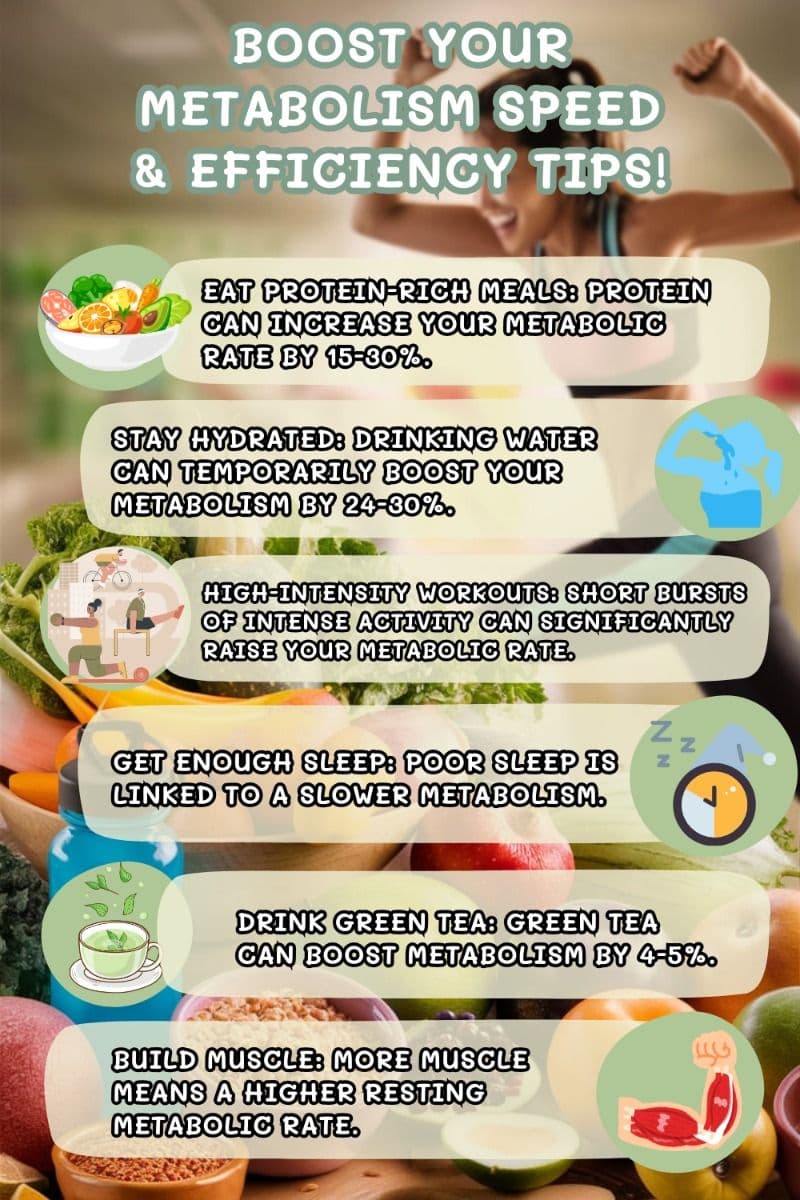
Protein is the real one. Digesting protein costs meaningfully more energy than digesting fat or carbs — a small but genuine bump, several times a day, and protein keeps appetite steadier and protects muscle while doing it. Eggs or yogurt at breakfast instead of toast alone changes the shape of the whole day more than any supplement will.
Muscle is the only lasting lever. Muscle tissue burns more at rest than fat tissue does — modestly, not the inflated numbers often quoted — but it adds up over years, and it's the difference between a metabolism that holds steady through your forties and one that drifts. Two strength sessions a week, any kind you'll actually keep, is enough to matter.
Sleep doesn't raise metabolism — bad sleep sabotages it. A short night derails appetite hormones and blood sugar regulation the next day, which reads as cravings, fogginess, and afternoon exhaustion. If there's one 'metabolic' fix most people actually need, it's an earlier bedtime, not a capsule.
The small stuff — green tea, chili, cold water, caffeine — is real but tiny. Green tea's effect is honest and small; spicy food burns a few extra calories for minutes; ice water warms to body temperature for almost nothing. Fine to enjoy, wrong to rely on. The pattern to distrust is any product promising a metabolism 'reset' in days.
The beauty angle is what makes this worth caring about: skin repair, collagen production, and hair growth are all energy-intensive processes. When energy regulation is off — poor sleep, low protein, no movement — it shows up in dull skin and tired hair before it shows up anywhere a scale can measure. Feed the basics for a season and the mirror catches up.