Why Sleep Might Be the Most Underrated Skincare Step
No serum compensates for a habit that's working against you every single night. Here's how sleep actually affects skin.
It's easy to spend money on skincare while ignoring the one factor that influences skin more than almost anything else: sleep. Not just how much of it, but how it's spent.
During deep sleep, skin shifts into active repair mode — blood flow to the skin increases, and cell turnover happens faster than during waking hours. This is when a lot of the day's damage from UV exposure, pollution, and general wear gets addressed. Cut sleep short consistently, and skin doesn't just look tired — it loses a meaningful chunk of its nightly repair window.
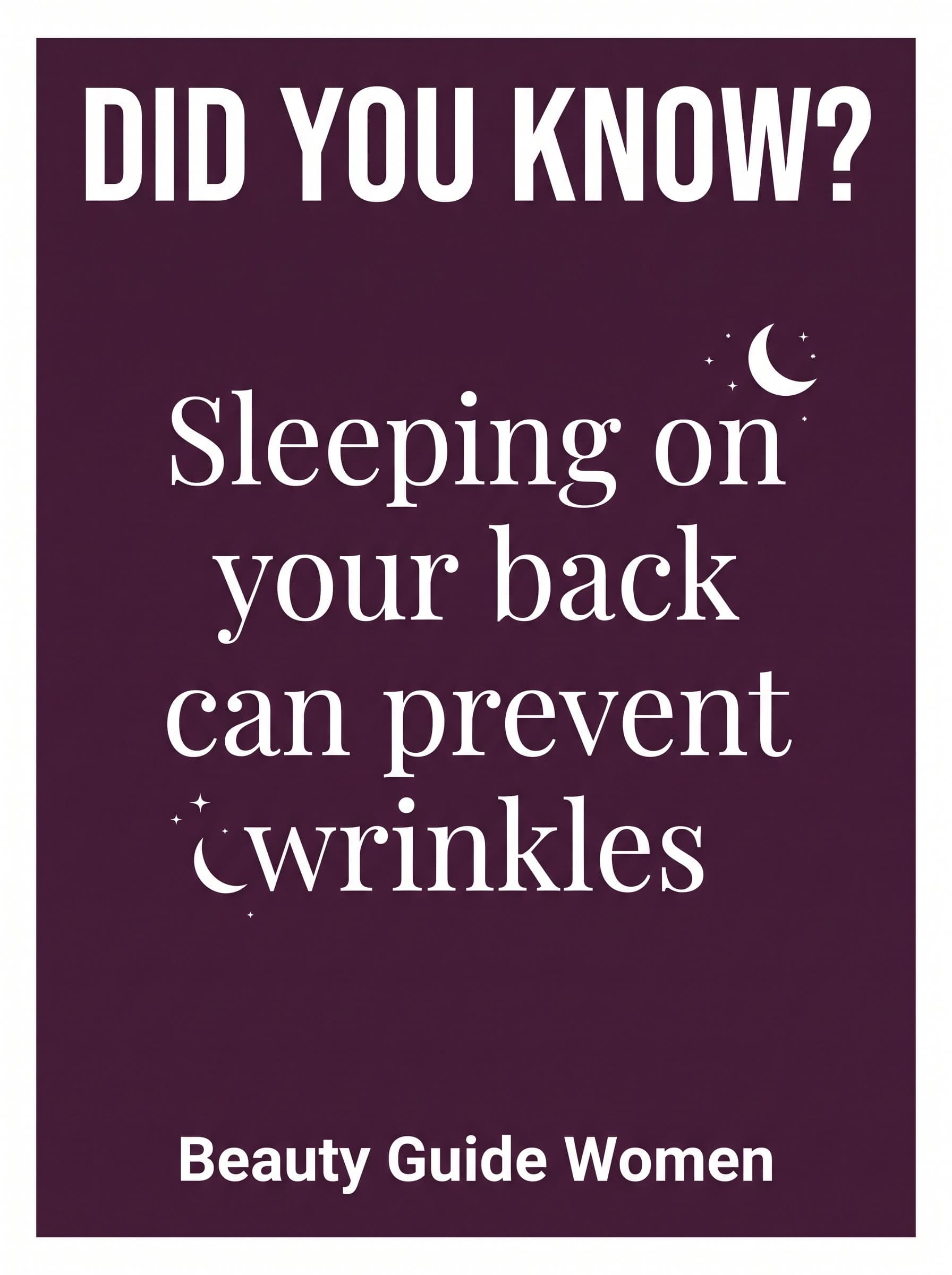
Sleeping position matters more than most people realize. Side or stomach sleeping presses the same area of the face into a pillow for hours, night after night. Over years, that repeated pressure contributes to the kind of fine lines that show up in the same spot every time — often called sleep lines, and they're a real, well-documented phenomenon, not an old wives' tale. Sleeping on your back, or at minimum switching sides regularly, reduces that repeated pressure.
Pillowcase material plays a smaller but real role. Cotton pulls moisture from skin and creates more friction than smoother fabrics like silk or satin, which let skin glide rather than drag against the surface throughout the night.
Consistency matters more than duration alone. An irregular sleep schedule disrupts the body's repair rhythms even if total hours stay the same — which is part of why skin often looks better after a week of steady, unremarkable sleep than after one unusually long night following several short ones.
None of this replaces sunscreen or a decent routine. But it explains why two people with identical skincare shelves can end up with noticeably different results — one of them is undoing half the work every night without realizing it.